If you’re building a custom home or purchasing property with a septic system, you may be wondering how to landscape around a septic tank without causing problems down the road.
The good news is that you can absolutely have a beautiful yard while protecting your investment. The key is understanding where your septic system is located, choosing the right plants, and avoiding landscaping features that can interfere with how the system works.
Whether you’re planning a brand-new landscape or updating an existing yard, these septic system landscaping tips can help you avoid costly repairs while creating an outdoor space you’ll enjoy for years to come.
Know Where Your Septic System Is Located
Before you begin any landscaping around a septic system, it’s important to know exactly where each component is buried.
A typical septic system includes:
- The septic tank
- Distribution box (if applicable)
- Drain field (also called a leach field)
- Connecting pipes
Many homeowners know where the septic tank is but aren’t sure where the drain field begins. Since most landscaping restrictions in Idaho apply to the drain field, locating it before planting or digging is essential.
If you’re building a custom home in Treasure Valley, your builder can provide a site plan showing the septic system layout. If you purchased an existing home, your county or septic installer may have records available.
Why Landscaping Around a Septic Tank Matters
Your septic system relies on healthy soil to naturally filter and treat wastewater. Heavy roots, compacted soil, or excessive water can all reduce its ability to function properly.
Poor septic system landscaping can lead to:
- Damaged pipes
- Root intrusion
- Drain field failure
- Expensive repairs
- Reduced system lifespan
A little planning now can help you avoid major headaches later.
RELATED CONTENT: What Happens When You Don’t Maintain Your Septic System
Septic-Friendly Landscaping Tips
1. Choose the Best Plants for a Septic Drain Field
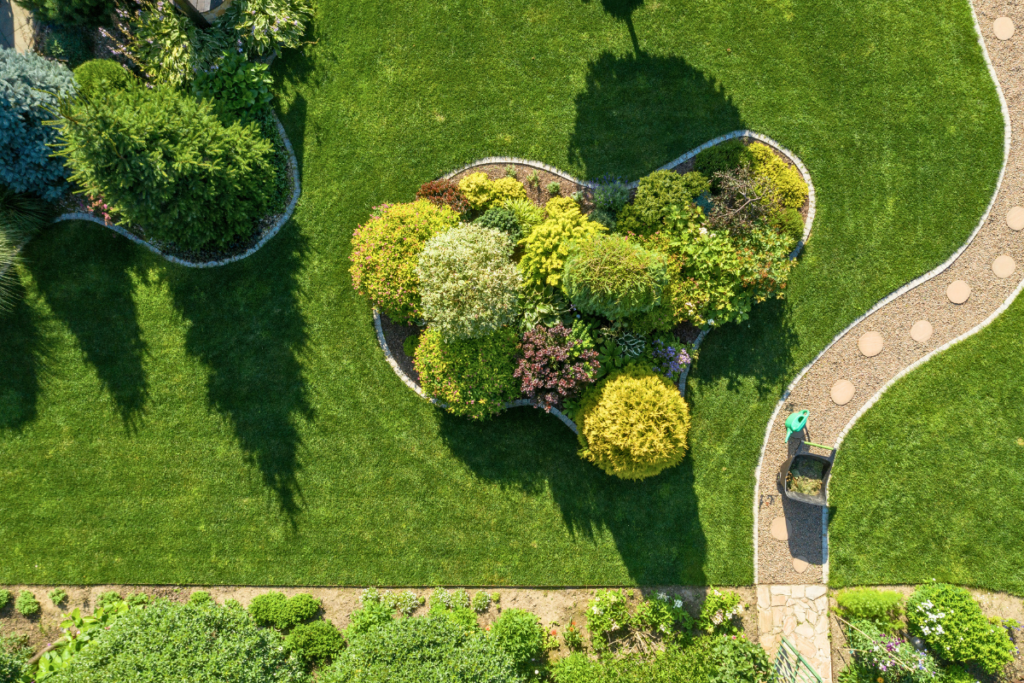
Don’t worry — drain field landscaping is still an option. The best plants for a septic drain field have shallow root systems that stabilize the soil without invading underground pipes.
Good septic-safe plants include:
- Native grasses
- Fine fescue
- Kentucky bluegrass
- Wildflowers
- Low-growing perennials
- Clover
- Pollinator-friendly native plants
These plants help reduce erosion while allowing the drain field to function as designed.
Native Idaho plants are often an excellent option because they’re well adapted to the local climate and typically require less supplemental watering once established.
2. Avoid Trees Near Your Septic System
One of the biggest mistakes homeowners make when landscaping is planting trees near a septic tank. Tree roots naturally seek out moisture and nutrients. Unfortunately, that makes septic drain fields especially attractive.
As roots grow, they can:
- Invade perforated drain pipes
- Crack underground pipes
- Block wastewater flow
- Damage septic components
Some of the worst trees to plant near a septic system include:
- Willow
- Cottonwood
- Poplar
- Silver maple
- Aspen
Even if a tree looks small today, think about its mature root system before planting. A little extra distance now can save thousands of dollars in future repairs.
3. Avoid Raised Garden Beds
Raised beds may look attractive, but they generally aren’t recommended over a septic drain field. Adding large amounts of soil changes how water moves through the ground, while the additional weight can compact the soil beneath.
If you’re planning vegetable gardens or decorative raised beds, choose another area of your property whenever possible.
4. Keep Vegetable Gardens Away from the Drain Field
Although a properly functioning septic system treats wastewater underground, most experts also recommend avoiding edible gardens directly over the drain field.
If the system ever develops problems or wastewater surfaces unexpectedly, edible crops could become contaminated. Instead, reserve your drain field for ornamental landscaping and place vegetable gardens elsewhere in your yard.
5. Avoid Heavy Landscaping Features
One of the easiest ways to damage a septic system is by placing heavy objects over it. When landscaping over a septic drain field or tank, avoid installing these features:
- Retaining walls
- Concrete patios
- Outdoor kitchens
- Fire pits with concrete foundations
- Storage sheds
- Large decorative boulders
- Swimming pools
- Hot tubs
These features can compact the soil, damage underground pipes, and make routine maintenance much more difficult.
If you’re designing your outdoor living space as part of a custom home build, planning around your septic system from the beginning gives you much more flexibility.
6. Be Smart About Irrigation
Proper watering is an often-overlooked part of septic system landscaping.
Drain fields are designed to slowly absorb wastewater into the surrounding soil. Excess irrigation can oversaturate the area, making it harder for the soil to properly filter wastewater.
To protect your septic system:
- Avoid directing sprinklers onto the drain field.
- Consider drip irrigation for nearby planting beds.
- Adjust watering schedules during rainy periods.
- Watch for standing water after irrigation.
Healthy landscapes don’t require constantly wet soil.
7. Protect Your Drain Field from Heavy Traffic
Your drain field isn’t designed to support the weight of vehicles or heavy equipment.
Never drive or park on your septic system, including:
- Cars
- RVs
- Boats
- Trailers
- Construction equipment
Repeated traffic can crush underground pipes and compact the soil, reducing your system’s effectiveness.
Even storing heavy building materials over the drain field during future projects can cause damage.
RELATED CONTENT: Septic Tank Myths Debunked
8. Leave Access to Your Septic Tank
Routine septic maintenance is part of responsible homeownership. When landscaping around a septic tank, be sure to leave easy access to:
- Septic tank lids
- Inspection ports
- Cleanouts
Avoid permanently covering these areas with large rocks, decorative structures, or extensive planting beds. Easy access makes future inspections and pumping much simpler—and often less expensive.
9. Plan Your Landscaping During the Home Design Process
One advantage of building a custom home is that you can design your landscaping and septic system together.
Instead of working around existing obstacles, your builder can help position:
- Outdoor living spaces
- Trees
- Driveways
- Irrigation
- Garden areas
- Future landscape beds
Thoughtful planning helps create a yard that’s both beautiful and practical while protecting one of your home’s most important systems.
Create a Beautiful Landscape Without Sacrificing Your Septic System
Landscaping around a septic tank doesn’t have to be complicated. By choosing the best plants for a septic drain field, avoiding invasive trees, limiting heavy structures, and planning your outdoor spaces carefully, you can enjoy a landscape that looks great and protects your investment.
If you’re building a custom home in Treasure Valley, Pleasant View Construction helps homeowners think beyond the house itself. From site planning and septic placement to grading and outdoor living spaces, we help create properties that are designed to function well for years to come.