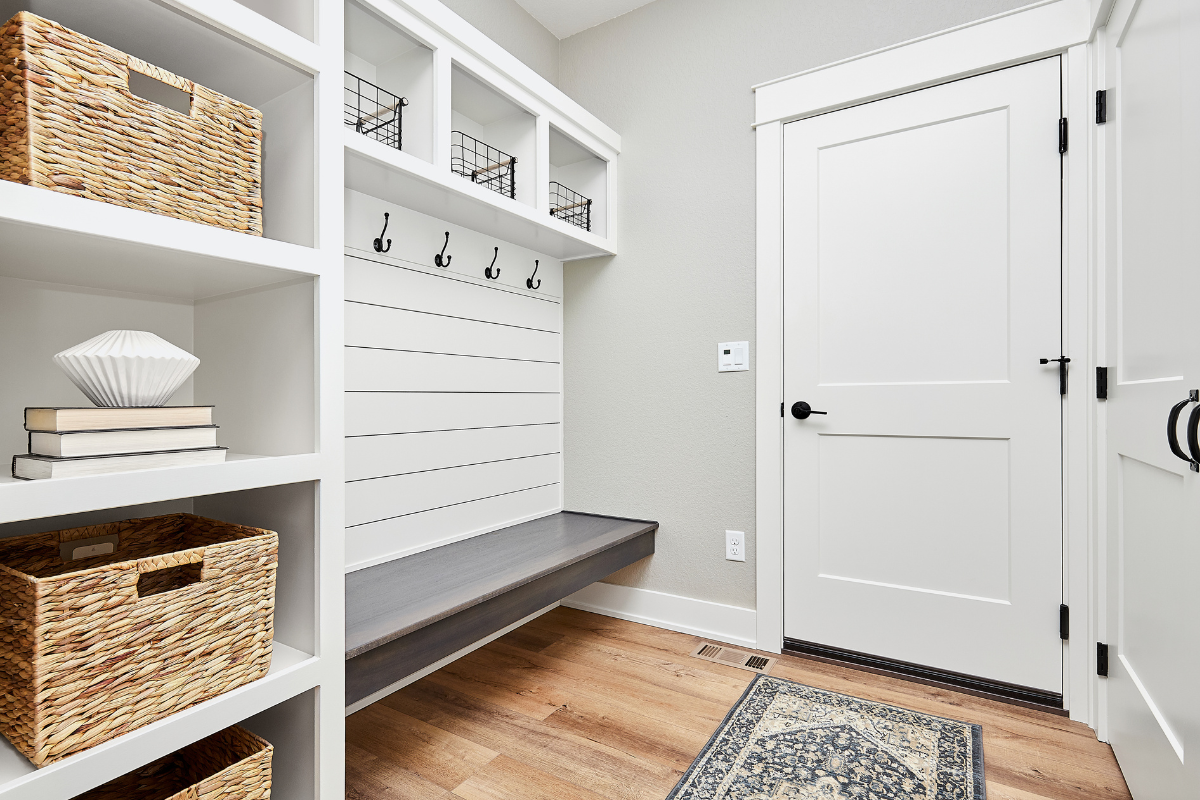

Building a custom home is one of life’s big milestones. You get to design a space that reflects your style, supports your routines, and feels uniquely yours. But as many homeowners quickly learn, it’s easy to break the budget.
There are hidden costs of building a custom home that don’t always show up in a simple price-per-square-foot estimate. Good contractors are not trying to trick you. However, custom home costs include a lot of moving parts that depend on your land, your city, and your design choices. Understanding these details upfront can help you stay in control.
With thoughtful planning and the right custom home builder, these expenses do not have to catch you off guard. Here are the most common unexpected home-building costs in the Treasure Valley and how to plan for them.
1. Lot Preparation, Excavation, and Site Work
You may find the perfect piece of land, but what lies beneath the surface matters just as much as the view. Many homeowners underestimate site prep costs, even when a lot looks flat and simple. In reality, the ground in areas around Boise can vary a lot.
Common excavation and grading costs include:
- Removing rocks or debris
- Tree removal
- Soil testing and engineering
- Grading and compaction
- Driveway base work
- Drainage solutions or swales
If you are building a home in rural Idaho, you may face even more extensive site work and utility runs than in a traditional subdivision.
How to plan for it:
Ask your builder for a realistic estimate of site prep costs based on your specific lot. A transparent builder will factor in typical excavation and grading costs for your area and explain what could cause those numbers to change once work begins.
2. Utilities & Hook-Up Fees
Utilities are another source of unexpected home-building costs. Some new neighborhoods have utilities already stubbed to each lot. Other locations require more work.
Typical utility hook-up fees and related costs include:
- Electrical service to the home and outbuildings
- Natural gas service or propane setup
- Water and sewer connections
- Extra trenching for power to a shop or RV pad
If your lot does not have access to municipal services, you may also need a well and septic system. That can significantly change your overall custom home costs.
How to plan for it:
When you get bids, make sure you understand which utility hook-up fees are included and which you will pay separately. If you are on county land or acreage, ask very direct questions about the cost to build a custom home when wells, septic, and long utility runs are involved.
(Don’t worry—a trusted home builder like Pleasant View Construction will help you identify these types of fees.)
3. Changes to the Floor Plan
Even with a detailed plan, many homeowners decide to make floor plan changes after seeing the home framed. Maybe you want to move a wall, add a window for better light, or expand a pantry.
These changes seem small, but floor plan changes can affect framing, electrical layouts, HVAC runs, and finish materials.
How to plan for it:
Spend extra time on your layout before construction starts. Walk through the plan with your builder. Use 3D renderings or tape out room sizes in your current space. The more confident you are in your layout, the fewer unexpected home-building costs you will face due to mid-build changes.
4. Upgrades & Allowances
Most contracts include homebuilding allowances for things like flooring, cabinets, countertops, lighting, and plumbing fixtures. You then select materials within those dollar amounts.
The challenge comes when you fall in love with items that are above the allowance. This is where building a new home can get expensive fast.
Common areas where homebuilding allowances get stretched:
- Flooring choices (hardwood vs LVP vs carpet)
- Custom cabinetry or added storage features
- Stone or quartz countertops upgrades
- Decorative lighting and extra fixtures
- Tile patterns or niches in showers
How to plan for it:
Ask your Treasure Valley custom home builder to walk you through realistic options that fit within your allowances. If you know you care a lot about a specific area, like the kitchen or primary bath, build extra room into your custom home budget planning for those upgrades.
5. Landscaping Costs for New Construction
Your home might be finished, but the yard often starts as bare dirt. That is where landscaping costs come in.
These expenses can include:
- Sprinkler system installation
- Sod or hydroseed
- Trees, shrubs, and plant beds
- Fencing and gates
- Patios, walkways, or retaining walls
For larger lots or acreage, landscaping costs for new construction can rise quickly.
How to plan for it:
Decide whether you want basic starter landscaping or a more complete outdoor living space right away. Include a realistic landscaping line item when you estimate overall custom home costs. Some homeowners prefer to phase landscaping over time, which can help reduce pressure early on.
6. Permit Fees & Local Requirements
Every city and county has its own permit fees for new homes. These fees may include building permits, impact fees, and sometimes separate charges for sewer, water, or school districts. Permit fees for new homes can be a significant part of your total cost to build a custom home in Idaho.
How to plan for it:
Ask your builder how they handle permit fees. Some include them as part of the contract. Others treat them as pass-through costs that may fluctuate. Because these fees are tied to local regulations, they are a normal part of the Idaho home-building process, but they should never be a surprise.
7. Temporary Living & Storage
Timelines do not always go exactly as planned. Weather, inspection schedules, and supply delays can extend a build.
That sometimes leads to hidden costs like:
- Extra months of rent
- Storage units for furniture
- Month-to-month leases or temporary housing
While these are not direct construction expenses, they are still unexpected costs associated with your home.
How to plan for it:
Avoid scheduling your move-out date too tightly around the original completion estimate. Build a little flexibility into your plan. If you sell your existing home, consider options that allow you to stay put until your new home is truly ready.
8. Appliances, Window Coverings & Move-In Items
Many buyers are surprised to learn that some items are not automatically included in a builder’s package. Depending on the contract, you may separately purchase:
- Refrigerator
- Washer and dryer
- Blinds or window shades
- Closet systems or organizers
- Garage door openers
- Water softener or filtration systems
These items can add several thousand dollars on top of your official construction number.
How to plan for it:
Ask your builder to clearly list what is included and what is not. Add up these additional purchases when you talk about the budget, not after you have already moved in. At Pleasant View, it’s our goal to be as transparent as possible with our Boise custom home costs.
9. Contingency & the “What Ifs”
Even with careful planning, it is smart to expect a few surprises. Prices on some materials can change. A field condition may require extra labor. A product you selected might be discontinued.
This is why a construction contingency budget is so important. It is not wasted money. It is a safety net for those additional costs.
How to plan for it:
Most experts recommend a contingency fund of 5 to 10 percent of your total project cost. When doing your budget planning, treat this as a must-have line item, especially in our growing market.
How to Stay in Control of Custom Home Costs
Here are some practical ways to manage custom home costs and reduce unexpected home-building costs from day one.
- Choose a Transparent Builder: Look for a Treasure Valley custom home builder who explains each step of the building process, gives realistic numbers, and is up front about potential risks.
- Review the Contract Carefully: Take time to understand homebuilding allowances, site prep costs, permit fees for new homes, and what is and is not included in your bid. Ask questions until everything makes sense.
- Make Selections Early: The sooner you choose finishes and fixtures, the easier it is for your builder to lock in pricing and avoid last-minute substitutions.
- Plan for “Real Life” Costs: Remember to include landscaping costs, appliances, window coverings, and moving-related expenses in your overall home budget.
- Protect Yourself With a Contingency Fund: Build a contingency fund into your plan so that when something unexpected comes up, it is an adjustment, not a crisis.
Final Thoughts
The hidden costs of building a custom home are not meant to scare you. They are simply part of the reality of building a house from the ground up. When you understand the full picture of custom home costs, you can make better decisions, avoid surprises, and feel confident throughout the process.
With thoughtful budget planning and a trusted home builder by your side, building a home can be an exciting, rewarding experience that ends with a house you truly love.