Accessory dwelling units (ADUs) are becoming one of the most practical and desirable housing solutions in the Treasure Valley. As the region grows, homeowners are seeking ways to maximize their property, add flexibility to their living space, and enhance long-term value. ADUs offer a smart answer to all three.
Whether you want an ADU for rental income, multigenerational living, guest accommodations, or future resale value, understanding local regulations and design considerations is essential. This Treasure Valley ADU guide walks through everything you need to know, including types of ADUs, benefits, regulations, and more.
What Is an ADU?
An accessory dwelling unit (ADU) is a secondary, self-contained living space located on the same lot as a primary single-family home. ADUs must include their own kitchen, bathroom, sleeping area, and separate entrance. Ultimately, they must allow the occupant to live independently from the main residence.
ADUs are sometimes referred to as:
- Guest houses
- Backyard cottages
- Granny flats
- In-law suites
- Secondary dwelling units
The function remains the same: a smaller residential unit that complements the primary home without subdividing the property.
Common Types of ADUs
Accessory dwelling units in Treasure Valley typically fall into 3 main ADU configurations:
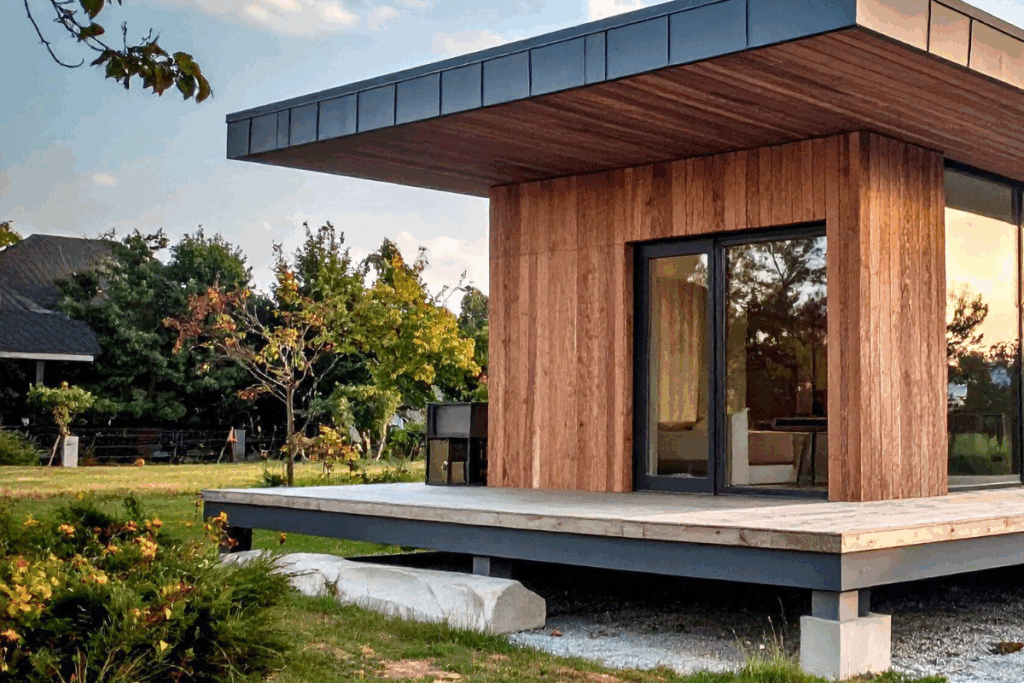
- Detached ADUs: A stand-alone structure built separately from the primary home, often located in the backyard. This option provides the most privacy and flexibility. However, it typically has higher construction costs due to new foundations, utilities, and site work.
- Attached ADUs: Connected to the main home, either as an addition or by converting part of the existing structure. These units often share utilities and structural elements, making them more cost-effective while still offering independent living space.
- Interior Conversion ADUs: Created by converting existing spaces such as basements, garages, or bonus rooms. This approach can be more affordable and quicker to build. However, design constraints and ceiling height requirements may make them more difficult to build.
Why ADUs Are Gaining Popularity
Treasure Valley’s continued population growth, rising housing costs, and evolving family needs have made ADUs increasingly attractive.
Rental Income Opportunities
Many homeowners use ADUs as long-term rental units, creating a steady source of supplemental income. Others explore short-term rentals where permitted by local code. In either case, ADUs can help offset mortgage payments or fund future investments.
Multigenerational Living
ADUs are ideal for aging parents, adult children, or extended family members who want independence while remaining close. This setup allows families to support one another without sacrificing privacy.
Increased Property Value
A well-designed ADU can significantly increase a property’s market value. Buyers are increasingly attracted to homes with flexible living options, especially in competitive housing markets.
Efficient Use of Existing Land
ADUs increase housing density without changing neighborhood character. They provide additional housing without requiring new subdivisions or large-scale development.
Idaho ADU Laws: What Homeowners Should Know
At the state level, Idaho law supports ADU development and limits overly restrictive local regulations. Cities and counties may regulate size, placement, and design. But they cannot completely prohibit ADUs in residential zones.
Additionally, HOAs cannot ban ADUs on owner-occupied properties. While HOAs can still enforce reasonable design standards, current state law does not allow blanket prohibitions.
Since local areas control zoning and permits, check the city rules before planning your ADU project.
ADU Regulations in Treasure Valley Cities
ADUs in Boise
Boise has taken a proactive approach to increasing housing options, encouraging ADU construction.
Typical Boise ADU requirements include:
- Maximum size often capped around 900 square feet or a percentage of the primary home
- One ADU per residential lot
- Design compatibility with the primary residence
- Reduced or eliminated off-street parking requirements in many zones
- Zoning approval and building permits required prior to construction
Boise’s streamlined regulations have led to a noticeable increase in ADU applications throughout the city.
ADUs in Meridian
Meridian allows ADUs but often applies stricter development standards than Boise. Homeowners may be required to submit detailed site plans, building elevations, and engineering documentation, especially for detached ADUs.
Zoning district, lot size, setbacks, and utility access all play a role in determining feasibility. We recommend early coordination with Meridian’s planning department.
ADUs in Nampa & Caldwell
Canyon County cities maintain their own ADU regulations.
- Nampa often enforces smaller maximum ADU sizes and stricter placement rules. ADUs are limited to 500 square feet.
- Caldwell allows ADUs to be 700 to 900 square feet, depending on zoning classification.
- County or city permits, inspections, and utility approvals are required.
Because regulations can vary by neighborhood and zoning overlay, property-specific review is essential.
The ADU Approval Process in Treasure Valley
Although each city has its own procedures, most ADU projects follow a similar approval path:
- Zoning Verification: Confirm that your property is eligible for an ADU and identify applicable size, height, and setback requirements.
- Design & Planning: Work with a designer or builder to create plans that meet code requirements and maximize functionality. (This is where we come in!)
- Permit Submittal: Submit zoning applications, building permits, and supporting documentation to the local planning department.
- Plan Review & Revisions: Address any required changes identified during city review.
- Construction & Inspections: Once approved, construction begins and proceeds through required inspections before final occupancy approval.
Starting with accurate information and professional guidance can significantly reduce delays and unexpected costs.
Cost Considerations for Building an ADU
The cost to build an ADU in Treasure Valley varies widely depending on size, type, finishes, and site conditions.
Factors influencing cost include:
- Detached versus attached construction
- Utility connections and trenching
- Foundation type
- Interior finishes and appliances
- Permit and impact fees
- Site access and grading
Interior conversions are typically the most affordable option, while detached ADUs represent the highest investment.
To learn more about the cost of an ADU refer to our Custom Home Pricing Guide.
Design & Planning Tips for ADUs
- Plan for privacy between the main home and ADU
- Consider future flexibility in layout and accessibility
- Ensure utility capacity is sufficient for additional dwelling space
- Design with neighborhood aesthetics in mind
- Work with professionals familiar with local ADU codes
Thoughtful planning improves long-term usability and resale value.
Ready to Build an ADU in Treasure Valley?
If you’re considering an ADU and want expert guidance from the very beginning, Pleasant View Construction is here to help.
We understand local zoning requirements, permitting processes, and construction challenges. And we know how to design ADUs that are functional, code-compliant, and built to last.
Whether you’re exploring a detached backyard ADU, a garage or basement conversion, or an attached addition to your home, we’ll walk you through:
- Feasibility and zoning review for your specific property
- Design and layout planning that maximizes space and value
- Clear budgeting and construction timelines
- High-quality craftsmanship from start to finish
If you’re ready to turn your ADU idea into a real, livable space or if you just want to understand what’s possible on your property, contact us. A quick conversation can help you determine the best path forward and avoid costly missteps.